

Replacing or repairing a roof is one of the most significant maintenance tasks a homeowner will face. While many homeowners might focus on the cost of shingles or the colour of the metal used for a roofing project, the most critical aspect of the work is actually safety. Like any operation that involves heavy materials, sharp tools, and the natural risks that go with working above the ground, roofing is a complex task that requires every effort be spent to ensure a safe workspace. A professional roofing company prioritizes the well-being of its employees and the protection of your home through a series of rigorous protocols, all intended to maintain an air of safety while they work. When you hire a reputable team to handle roof installations and other related tasks, it’s not just the materials you’re paying for; you’re also investing in professional workmanship that identifies and manages all the risks before so much as putting up any ladders.
Understanding how experts manage these risks is key to helping you identify a reliable contractor. From the initial inspection to the final cleanup, safety should always come first. Here are the specific ways reliable roofers protect your property and their crew.

1. Advanced Fall Arrest Systems
The most immediate danger in roofing is the height. Professional roofers don’t leave the question of safety to any innate sense of balance. They use comprehensive fall arrest systems that include anchors, harnesses, and lifelines. Before work begins, crew leaders identify sturdy points on the roof structure where they can install temporary or permanent anchors. Each worker is then secured to these points with high-strength ropes and harnesses. This equipment ensures that if a slip occurs, the safeguards can catch the workers immediately and prevent any harmful falls. These systems are also inspected every day to ensure the webbing and metal components haven’t suffered wear or damage from UV exposure or friction against shingles.
2. Comprehensive Personal Protective Equipment (PPE)
Like any worksite, what the crew wears is another integral element of maintaining safety. A professional team arrives on-site with a full suite of personal protective equipment, including hard hats to protect against falling objects, high-visibility vests so that everyone on the ground and the roof is easily seen, and specialized footwear that provides grip while working. Roofing boots are specifically designed with soft, high-traction soles that provide maximum grip on steep slopes and varied surfaces. Additionally, crew members use safety glasses to protect their eyes from flying debris during the removal of old shingles or when using pneumatic nail guns. Gloves are also mandatory to prevent cuts from sharp metal flashing or asphalt edges.
3. Systematic Property Protection Measures
A home is an investment, and like any investment, needs to be protected. The process of tearing off an old roof can be messy and potentially damaging to the surrounding area, but reliable roofers take active steps to shield your property. They often use heavy-duty tarps and other protective systems to cover siding, windows, and landscaping. Plywood boards are frequently placed over air conditioning units and delicate garden beds to prevent damage from falling debris. By creating a physical barrier between the work zone and your home’s exterior, the team ensures that the only thing being changed on your property is the roof itself.
4. Precision Ladder Safety and Access
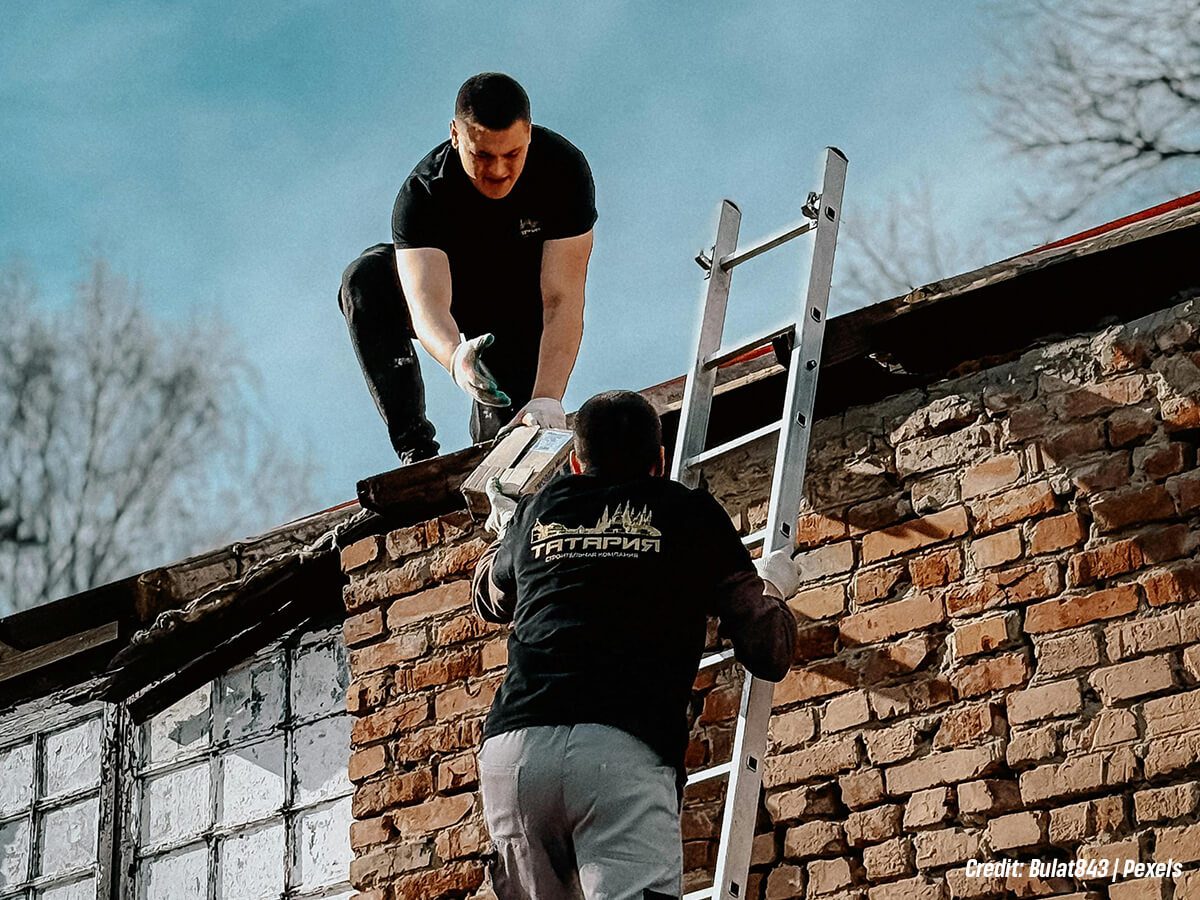
Ladders are a primary tool in roofing, but they are also a common source of accidents if handled improperly. Knowing how to handle ladders properly goes a long way to maintaining safety (especially if you do some DIY work yourself at home). Professionals know to follow the three-point contact rule and ensure that ladders are placed at the correct angle (that’s usually one metre out for every four metres of height, following the 4-to-1 rule). To protect your gutters and the stability of the ladder, they use stabilizers or stand-offs. These attachments prevent the ladder from resting directly on the eaves, which can cause damage and affect the ladder’s stability. Furthermore, ladders are tied off at the top to prevent them from shifting or blowing over in a sudden gust of wind.
5. Stringent Weather Monitoring
Weather can be unpredictable, and a professional roofer knows that moisture and wind are major safety hazards. Reliable companies monitor local forecasts closely and have strict policies about when it is unsafe to work. High winds can turn a sheet of plywood or a bundle of shingles into a dangerous projectile. Similarly, even a small amount of rain can make a roof deck incredibly slippery. If a storm is approaching, the crew will stop work early to ensure the roof is dried in with synthetic underlayment or tarps, protecting the interior of your home from water damage while keeping the crew off the roof during dangerous conditions.
6. Professional Debris Management
Removing an old roof can create plenty of waste as the work progresses, in the form of old shingles, nails, and rotted wood. A safe roofing site is a clean roofing site. Professionals use designated waste containers and ensure that debris is moved directly from the roof to the bin whenever possible. This prevents piles of waste from accumulating on the ground, which could otherwise create tripping hazards for both the crew and the homeowners. Managing the flow of waste in this way also reduces the risk of nails being left in the grass or shingles being blown into a neighbour’s yard, ensuring your home stays safe after the work is done.
7. Power Tool and Equipment Maintenance
Roofing tools, such as pneumatic nailers, circular saws, and compressors, always take regular maintenance to keep them working safely and effectively. A reliable contractor ensures that all equipment is in top working order before arriving at your home. They take the time to replace any frayed power cords or leaking air hoses to prevent electrical shocks or tripping hazards. Furthermore, crew members are trained in the specific operation of each tool, ensuring that safety guards are never bypassed and that tools are disconnected from power sources when not in use or when being moved across the roof.
8. Structural Integrity Inspections
Before a crew begins walking across your roof, a lead supervisor performs a thorough check of the roof deck from both the outside and, if possible, the attic. They look for signs of wood rot or structural weakness. If a section of the plywood is soft, it poses a breakthrough risk for the workers. By identifying these “soft spots” early, the team can mark them as hazardous zones and prioritize their repair. This step protects the crew from falling through the roof and ensures that the new roofing materials are being installed on a solid, safe foundation.
9. Clear Site Communication and Signage
Safety is a collective effort that includes the homeowner. Professional roofers establish a “danger zone” around the perimeter of the house where debris is most likely to fall. They communicate clearly with the residents to ensure that everyone knows to stay indoors or use specific entrances while work is underway. In many cases, they will use caution tape or signage to mark off these areas. This prevents children, pets, or visitors from accidentally walking into a workspace where they could be hit by falling materials or trip over equipment.
10. Post-Job Magnetic Sweeps
One of the most common safety concerns for homeowners after a roofing project is the presence of stray nails in the driveway or lawn. A reliable crew concludes every work day and the final project with a thorough magnetic sweep. Using high-powered magnets on wheels, they mop the entire area surrounding the house to pick up any metallic debris that might have escaped the tarps. This meticulous cleanup prevents any damage or injuries any loose nails might cause in the weeks following the installation.
11. Rigorous Safety Training and Certification
Finally, the most effective safety measure is the knowledge held by the crew. Reputable roofing companies invest in ongoing training for their employees. This includes certification in working at heights, first aid, and the safe handling of hazardous materials. When a team is well-trained, they develop a culture of safety where they look out for one another. They are trained to recognize the signs of heat exhaustion during summer months and to maintain proper hydration and rest breaks. This professional approach ensures that the people working on your home are capable, alert, and prepared for any situation.
Choosing a reliable roofing service means finding one that prioritizes these safety protocols; a safety-first roofing service ensures that your home improvement project stays safe and on-schedule. Through these measures, professional contractors provide a service that is as secure as it is functional. When you see a team taking the time to tie off their ladders and cover your shrubs, you can have confidence that they will bring that same level of care and detail to the installation of your new roof. A safe job site is the hallmark of a true professional, providing peace of mind for everyone involved.
Your home deserves quality, and that includes a roof that lasts. Price Rite Roofing & Siding offers quality work and at reasonable prices. We combine a military-grade work ethic with eagle-eyed attention to detail in the name of providing that quality service our clients have learned to expect of us. Call us now at (440) 238-7663 for a free estimate.