



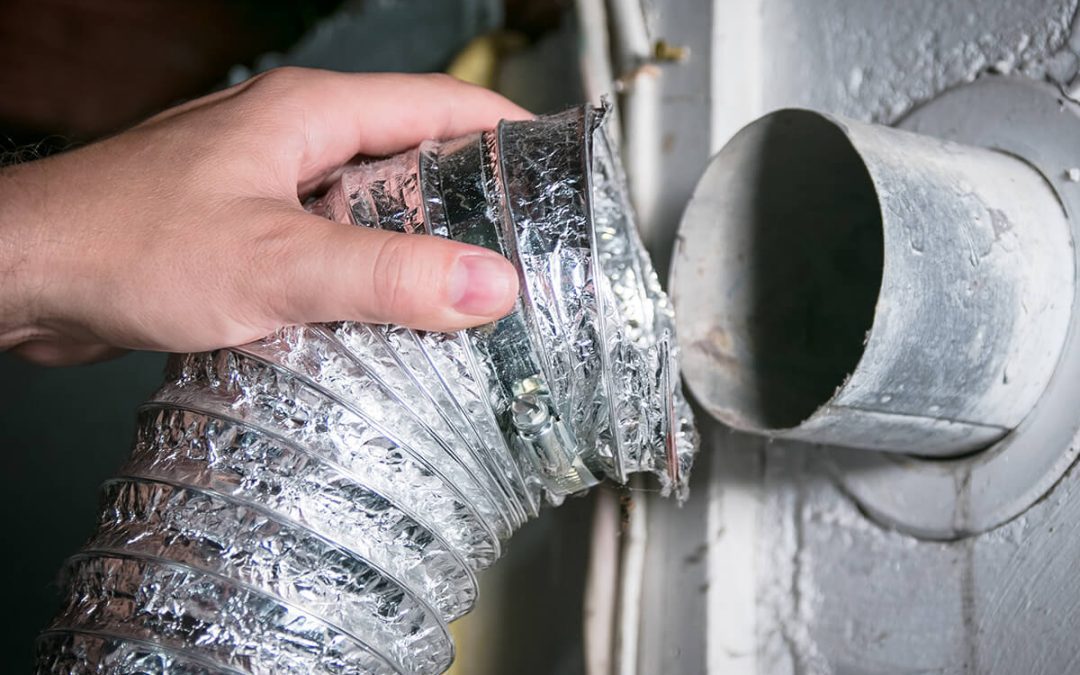
Energy consumption is always a concern for homeowners (particularly in light of recent world events); therefore, anything that helps keep the bills low ought to be welcome, especially if it improves quality of life at home as well. While many homeowners look to upgrading insulation, repairing the roof, or installing smart thermostats to help regulate energy use, one of the most effective ways to reduce monthly expenditure might well be found in the laundry room. The clothes dryer is actually one of the most energy-intensive appliances in a typical household. And like other systems, the ventilation system can become clogged with lint, dust, and debris over time, which then has implications for the efficiency of the dryer. However, with a little care, you can enjoy some energy-saving benefits that you’ll certainly feel in your wallet once you implement them.
The following points explain how maintaining a clear exhaust path can significantly lower your monthly bills.
1. Enhancing Airflow Efficiency
The dryer basically functions via the movement of large volumes of air. The machine draws in cool air, heats it, and then blows it through the tumbling drum to pick up moisture from the wet fabric. This moisture-laden air must then be expelled through the vent system to the outside of the home. However, as air blows through the system, it slowly accumulates lint over time; as that lint accumulates, it creates physical resistance. This resistance (often referred to as back pressure) forces the dryer’s internal blower fan to work much harder to push air through a narrower passage. One simple tip for a more energy-efficient home is keeping your dust filters clean, and that wisdom applies to your dryer vent. Keeping the dryer vents clean ensures that air moves at its intended velocity, allowing the machine to operate within its designed parameters without wasting energy to overcome any internal friction.

2. Reducing Drying Cycle Times
Perhaps the most immediate financial benefit of a clean vent is the reduction in the time it takes to dry a single load of laundry. When a vent is blocked, it becomes harder for the damp air to escape as efficiently. This means the air inside the drum stays saturated with water, which then makes it more difficult for the clothes to release their moisture. Many homeowners often find themselves running the same load for two or even three cycles to achieve total dryness. By clearing the obstruction, you allow the machine to remove more moisture in the first attempt. Not only does cutting the runtime of your dryer with every dry cycle give you a noticeable drop in power consumption, it also saves you valuable time you might otherwise spend on cycling repeatedly.
3. Protecting the Heating Element from Overwork
Dryers use a significant amount of electricity to power the heating element. This component is designed to reach specific temperatures to facilitate evaporation. Should the system’s airflow become constricted, the heat remains trapped within the machine rather than being carried away. This leaves the heating element remaining hot for longer durations, and over time the constant demand on the heating element leads to premature wear. A heating element that is forced to run continuously because the damp air won’t leave the drum also consumes far more power than one that can cycle on and off as intended. Keeping the vents clear goes a long way toward keeping the heating element functioning only for the minimum necessary time.
4. Preventing Motor Strain and Electrical Draw
Beyond the heating element, the dryer’s motor is responsible for both tumbling the heavy, wet clothes and spinning the blower fan. When a vent is clogged, the motor must deal with increased torque requirements and higher internal temperatures. Electrical motors draw more current when they encounter resistance or when they operate in high-heat environments. Ensuring the exhaust path stays clear also reduces the mechanical load on the motor. This allows the motor to draw the minimum amount of electrical current required for the task, preventing the spike in energy usage that occurs when a motor is struggling to perform under duress.
5. Improving Moisture Sensor Accuracy
Many modern dryers are equipped with moisture sensors designed to shut the machine off the moment the clothes are dry. These sensors rely on detecting the level of humidity or the conductivity of the fabric. If the vent is blocked, the environment inside the drum remains unnaturally humid, even if the clothes themselves are nearing dryness. This tricks the sensors into thinking the load is still wet, causing the machine to continue running and therefore wasting electricity. A clean vent allows the internal humidity to drop rapidly as the clothes dry, ensuring the sensors can accurately trigger the end of the cycle and stop energy draw immediately.
6. Minimizing Thermal Stress on Internal Components
A dryer that cannot “breathe” becomes an oven for its own internal parts. Components such as belts, bearings, and rollers are quite sensitive to excessive heat, and that excess can add additional wear and tear. When the vent is clear, the machine stays relatively cool because the hot air is constantly being replaced by fresh air. When blocked, airflow becomes restricted, reducing the amount of fresh air flowing into the system and increasing the internal temperature of the cabinet. This leads to the expansion and contraction of metal parts and the drying out of lubricants. While this might seem like a maintenance issue, it is also an energy issue. Friction from worn bearings or a slipping belt makes the motor work harder, which further increases the electrical consumption of the appliance.
7. Reducing the Load on Your Home’s HVAC System
Regular maintenance for your HVAC system is a prudent move for your energy-efficiency, but it gets all the more important when your dryer enters the equation. In many homes, the laundry room is located within the conditioned living space. And in such homes, a clogged dryer vent often leaks hot, moist air back into the house through small gaps in the transition duct or the machine’s housing. During the summer months, this additional heat and humidity must be neutralized by your air conditioning system. Essentially, you end up paying twice: once to generate the heat in the dryer, and a second time to remove that same heat with your cooling system. Ensuring a sealed, clean path to the outdoors keeps your laundry heat where it belongs (i.e. outside) reducing the overall demand on your home’s climate control.
8. Avoiding Costly Emergency Repairs and Service Calls
Keeping your monthly bills low isn’t the only way to save; avoiding any emergencies that you’d have to go out of your way to fix can be another simple way to keep your spending low. A dryer that regularly overheats due to a blocked vent is far more likely to blow a thermal fuse or damage a thermostat. These safety devices are designed to kill power to the machine to prevent a fire, but they often require a professional technician to replace. By maintaining the vents yourself or having them cleaned regularly, you extend the lifespan of these sensitive electronic and mechanical parts, and ensure you don’t have to spend on repairs that were entirely preventable via basic maintenance.
9. Preserving the Lifespan of Your Clothing
While it is an indirect saving, the impact on your wardrobe is significant. High heat for extended periods can take its toll on fabric fibres. Clogged vents lead to higher drum temperatures and longer tumbling times, which can cause clothes to wear out, shrink, or lose their colour much faster. By shortening the drying time and maintaining a lower, more consistent temperature, your clothes last longer. This reduces the frequency with which you have to replace these worn clothes, and further contributing to your overall household savings.
10. Optimizing the Use of Natural Gas or Electricity
The principle of efficiency remains the same, regardless of what kind of dryer you use. Gas dryers use a burner to create heat, and if the air is not moving, that burner stays lit for much longer than necessary, increasing your gas bill. Electric models, meanwhile, rely on heavy resistance heating. By ensuring the vent is clear of all lint for the entire length of the duct (which can very often reach prodigious lengths in many modern townhomes or condominiums) you ensure that every cent spent on fuel or electricity is being used to dry the clothes rather than simply heating up a clogged pipe.
Having your dryer vents cleaned regularly is a surprisingly simple task, and yet one that yields noticeable financial returns. By ensuring that your appliance can operate with maximum airflow, you drastically lower the overall energy demand of your household, as well as any wear and tear your dryer and clothes might otherwise suffer. When every dollar of the utility bill matters, this basic piece of home maintenance is essential for any budget-conscious homeowner. What you spend on taking the time to take care of your dryer vents will pay for itself through lower energy bills and a more reliable, longer-lasting appliance.
When you need your dryer vents cleaned and cleared, you need a service that can do the work properly to keep your home clean and comfortable. At Price Rite Roofing & Siding, we pride ourselves on providing quality service and at a reasonable price. Our team brings a military-grade work ethic and attention to detail to every job, ensuring you get reliable service every time you call on us. Reach out to us now at (440) 238-7663 today and request a free estimate!